
Need better instructions? A warning to lawyers that poor instructions to an expert can lead to unnecessary costs has been given in a recent decision by the Court of Session in Scotland. This is a case involving allegations of misconduct by police investigating a complaint of stalking where the defendants asked for an expert’s report to be struck out as inadmissible. Their first argument was that the expert did not have appropriate expertise because his background was in English rather than Scottish policing, but this was not accepted, not least because the expert had extensive experience and had taken care to reference the appropriate Scottish procedures in his report.
However, under instructions, he had crossed the line in many places in his report from opining on appropriate police conduct to inferring the cause of that conduct, notably ‘malice’ from the evidence. The judge was clear that such findings are highly fact dependent and matters for the court and not an expert. As he said “While I have not excluded the report from probation in its entirety, a redacted version leaving only the passages which can remain would not be as easy to follow. It would plainly be much more sensible and appropriate for a revised report to be prepared, which can seek to include any parts of the current report that do not go beyond the limits of expert evidence. “.
It would obviously have been much better for both parties if the report had been prepared in that way from the outset, making this a useful example for experts who feel they are being asked to go too far. More guidance for lawyers instructing experts is available at https://academyofexperts.org/users-of-experts/instructing-an-expert/
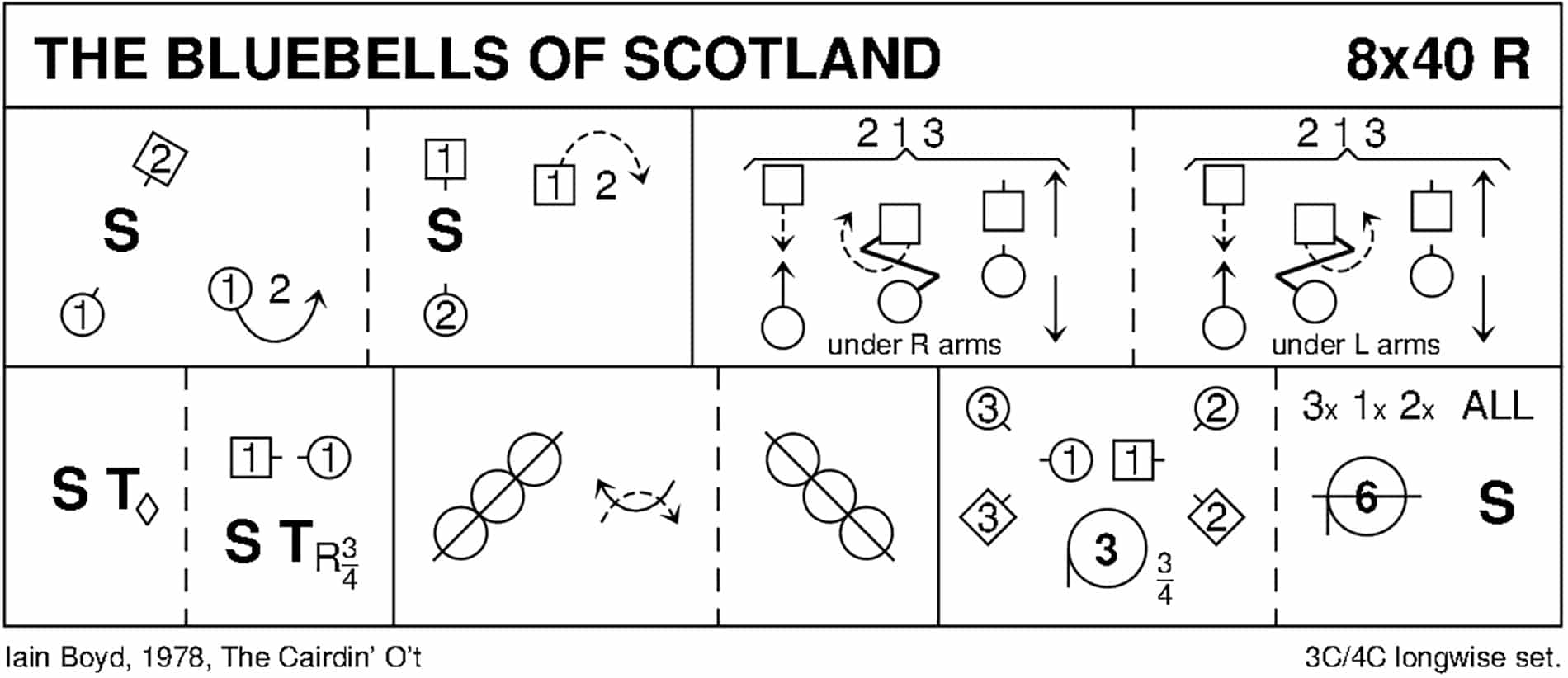
(our feature image is taken from https://www.scottish-country-dancing-dictionary.com/dance-crib/bluebells-of-scotland.html )
