
Article published: 5 November 2026
Key points
- Follow the order governing expert discussions; identify agreement and disagreement with reasons; explain the limits of third-party material; distinguish evidence of disrepair from evidence that replacement is necessary.
If experts cannot agree on the answer, they should still be able to explain the question on which they disagree. That is one of the purposes of a joint statement, and Craigard v Westbury Homes shows what happens when the process does not deliver it.
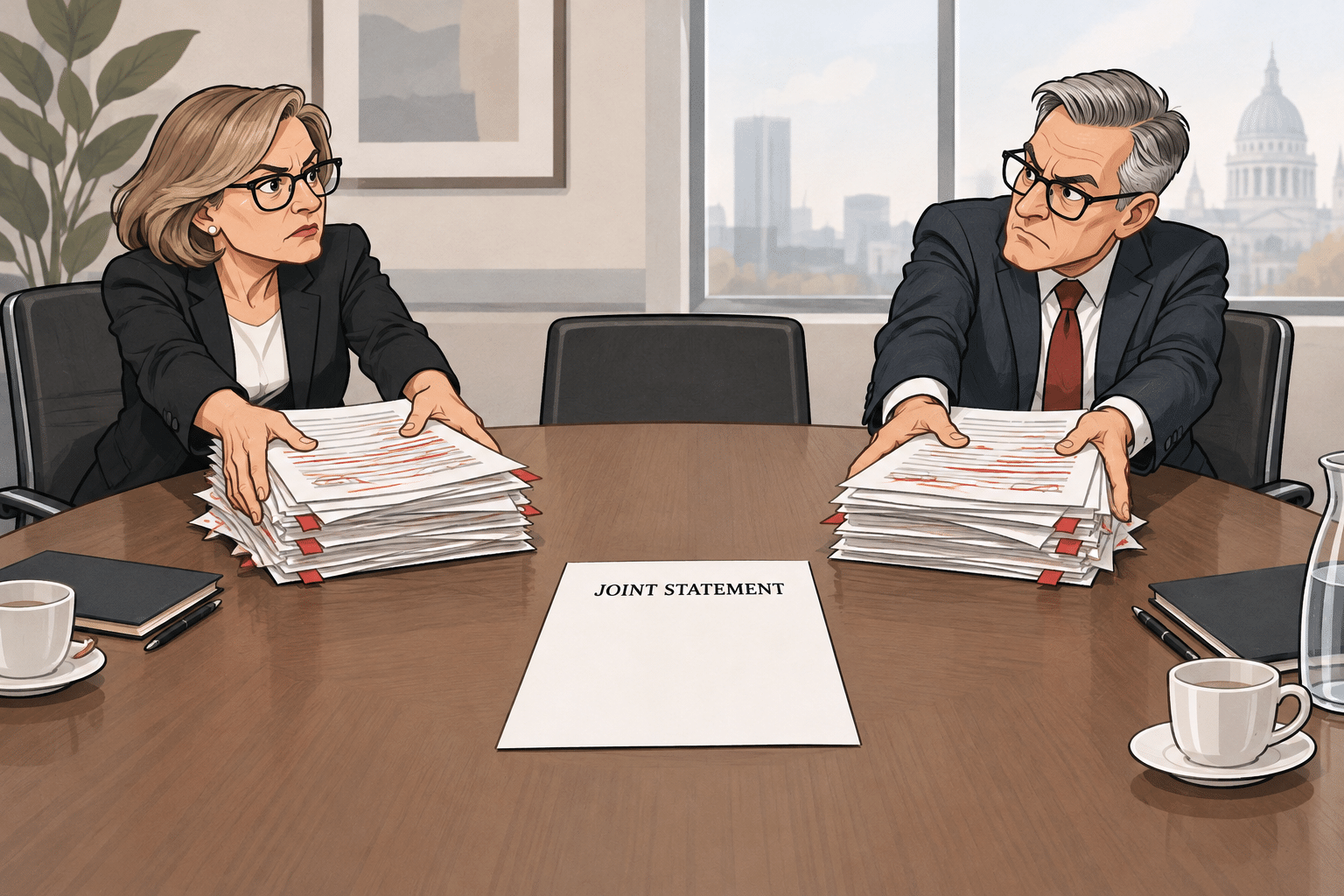
The terminal dilapidations claim included a dispute over a heating, ventilation and air-conditioning system. Two building services engineers produced separate documents commenting on each other’s reports, with responses, instead of the joint statement required by the case management orders. The judge found that unhelpful.
A joint statement must do a different job
The judgment also expressed dissatisfaction with both experts’ evidence. Neither had been able to inspect the system, and their opinions depended on third-party material. The court found disrepair but was not satisfied that the claimants had proved wholesale replacement was necessary. See particularly paragraphs 104 and 112–114.
The procedural criticism and the evidential weaknesses should be kept distinct. The lesson is not that a better joint statement would necessarily have changed the result. It is that the court needed a clearer account of the technical differences and the material supporting them.
Explain the real point of disagreement
A useful joint statement allows the reader to see what is agreed, what remains disputed and why the experts differ. That may require separating differences about facts, assumptions, methodology and professional judgment. Simply recording that one expert disagrees with another leaves most of the work undone.
Nor does the process require compromise for its own sake. An expert should not abandon a properly held opinion to achieve apparent consensus. A reasoned disagreement can be highly useful if it makes the competing analyses intelligible.
Keep uncertainty visible
Where the underlying subject can no longer be inspected, the report should make clear which conclusions can safely be drawn from photographs, records and earlier reports, and which remain uncertain. The absence of information needs careful treatment: it should not silently become proof of the preferred conclusion.
For experts and instructing teams, a practical check before finalising the joint statement is to ask whether someone unfamiliar with the dispute could identify the remaining technical decisions from that document.
The joint statement should reduce the work required to understand the evidence. Another exchange of reports may simply move that work to a different document.
Articles reflect the law and practice at the time of original publication, except where a dated update is shown. Subsequent developments may affect their relevance or accuracy. They are provided for general information and do not constitute legal or professional advice. Obtain appropriate advice on your particular circumstances. Full disclaimer.